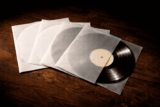
Dirty records sound bad. Damaged records sound worse. Neither has to happen.
Vinyl record care is the part of the hobby most people skip until something goes wrong. Every guide here covers what actually protects a collection: how to clean vinyl records properly, which cleaning kits work, which sleeves are safe for long-term storage, and what common mistakes quietly destroy records over time. Written by James Calloway, updated before every guide goes live, free of paid placements.
Prices verified before every guide goes live. Updated April 2026.
Editor’s Top Picks · Updated April 2026
|
Best Cleaning Kit
GrooveWasher G2 Kit
US-made, walnut handle, the best cleaning fluid in this price range. The kit most serious collectors end up with.
~$50
Buy on Amazon Review
|
Best Budget Kit
Big Fudge 4-in-1 Kit
Brush, cleaning fluid, stylus cleaner, and velvet pad. Everything you need to start cleaning records for $20.
~$20
Buy on Amazon Review
|
|
Best Deep Clean
Spin-Clean Record Washer MKII
Wet wash system that removes embedded grime a brush cannot reach. Essential for used record hauls.
~$80
Buy on Amazon Review
|
Essential Reading
Vinyl Record Sleeves Guide
The wrong sleeve material permanently damages records. This guide covers what is safe, what is not, and exactly what to buy.
Read Guide
|
Articles in This Category
Why Vinyl Care Is Not Optional
Dust does not just sit on a record. It settles into the groove and every play grinds it deeper, adding surface noise, accelerating stylus wear, and permanently degrading sound that cannot be recovered. A vinyl record cleaning kit that costs less than a single new pressing solves this completely. The problem is most buyers either skip cleaning entirely or use the wrong products and make things worse.
Knowing how to store vinyl records properly is the other half of the equation. A record stored in a PVC sleeve is in slow contact with hydrochloric acid. The damage is invisible, irreversible, and shows up months or years later as a permanent haze on the playing surface. The fix is straightforward: polypropylene and polyethylene sleeves are safe, PVC is not. Our sleeves guide covers exactly what to buy for both inner and outer protection.
Every guide in this category covers a specific and practical aspect of keeping a vinyl collection in good condition. Whether you are cleaning a newly bought used record haul, protecting a first pressing you paid serious money for, or just trying to reduce surface noise on records you already own, the answers are here.
How We Review Vinyl Care Products
Cleaning kits are tested on records with known levels of surface noise before and after. We measure audible improvement, fluid residue, and brush fiber shedding. Sleeves are evaluated against published material safety data, not just manufacturer claims. Any product that uses PVC does not appear in our recommendations regardless of price or brand.
Reviews are written by James Calloway, who spent six years working in a record store in Chicago and has been collecting vinyl for 22 years. Prices are verified before every guide goes live. No placement is paid for, and no brand has influence over our rankings.
Frequently Asked Questions
What vinyl care guides does this category cover?
Three guides: how to clean vinyl records properly, the best vinyl record cleaning kits ranked by budget, and the best record sleeves covering both inner and outer protection. If you are new to vinyl care, start with the cleaning guide, then the kits, then the sleeves.
How often should you clean vinyl records?
Before every play, run a carbon fiber brush across the record to remove surface dust. For a deeper clean with fluid, once every few plays or whenever you notice increased surface noise. Used records bought second-hand should always be wet cleaned before playing regardless of how clean they look. Dirt embedded in the groove is invisible until the stylus finds it.
Are PVC record sleeves safe to use?
No. PVC off-gases over time and the plasticiser migrates into the record groove, causing a condition collectors call vinyl cancer: a permanent surface haze that no cleaning removes. Use polypropylene or polyethylene sleeves only. Our sleeves guide covers exactly which products to buy and why the material distinction matters more than any other factor in sleeve selection.
Can cleaning a record remove scratches?
No. Cleaning removes dirt, dust, mold, and fingerprint residue from the groove. It cannot repair physical damage to the groove walls. What sounds like a scratch is often actually embedded dirt, and cleaning will frequently resolve surface noise that seemed permanent. True scratches, where the groove wall is physically damaged, are not recoverable by any cleaning method.
Affiliate links. Prices may vary. We earn a small commission at no cost to you.

 James Calloway